
The Mineral Processing Gap Costing Nigeria Billions in Lost Revenue

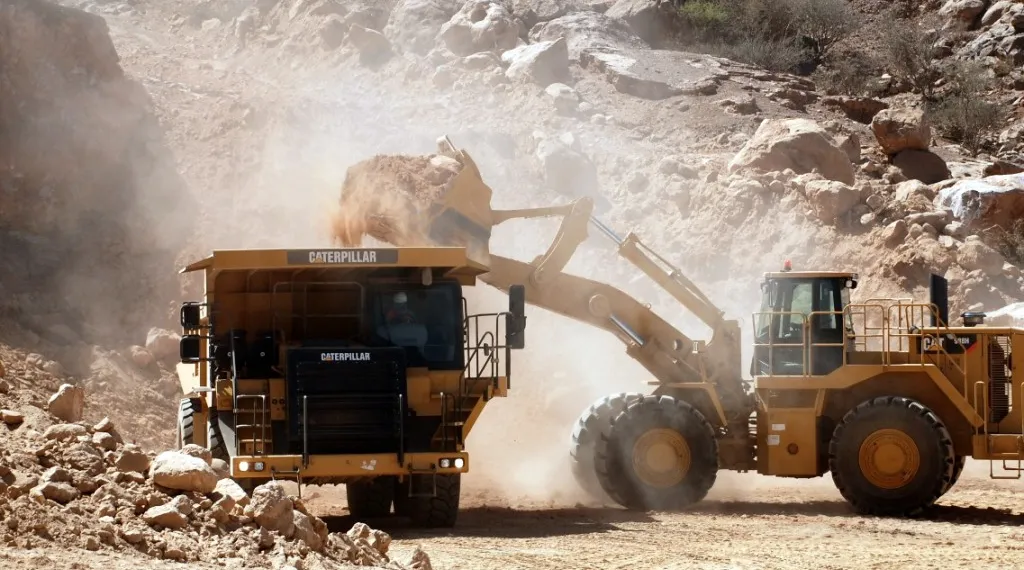
Nigeria sits atop mineral wealth that could transform the nation’s economy and create hundreds of thousands of jobs. Yet for decades, the country has followed a pattern that impoverishes rather than enriches, extracting raw minerals and shipping them abroad for processing, capturing only a fraction of the value while others profit from our resources.
This pattern must change. The global rush for critical minerals, cobalt, manganese, lithium, driven by demand for electric vehicle batteries and renewable energy, presents an unprecedented opportunity. Nigeria can either continue selling cobalt ore to processors in Asia and Europe, or Nigeria can become the processor, capturing the wealth and building industrial capacity that benefits Nigerians.
The Numbers Tell the Story
Consider cobalt. Nigeria possesses reserves adjacent to the Democratic Republic of Congo, which supplies approximately 70 percent of global cobalt production. But Nigeria captures minimal value because the ore is processed elsewhere. A single processing facility in Nigeria could employ 500-1,000 skilled workers, generate billions in annual revenue, and establish the foundation for advanced manufacturing industries that follow.
The pattern repeats across minerals. Guinea exports 95 percent of its bauxite as raw ore, generating minimal revenue. Ghana announced a $500 million lithium refining facility but faces capital and technical hurdles. Meanwhile, China controls 77 percent of global graphite processing, 71 percent of lithium processing, and 92 percent of rare earth processing, capturing the profits and technological development that should benefit African nations.
The Processing Gap is the Real Constraint
Many Nigerians assume the barrier to mineral-driven prosperity is lack of resources. The real barrier is lack of processing capacity. Nigeria has the minerals. What we lack is:
First, capital investment. Building a modern mineral processing facility requires $100 million to $500 million depending on the mineral and scale. This exceeds private investment appetite without government participation through development finance or public-private partnerships.
Second, technical expertise. Mineral processing requires specialized knowledge in chemistry, metallurgy, equipment operation, and environmental management. Nigeria must invest in training centers and research institutions to develop this expertise domestically.
Third, reliable infrastructure. Processing requires consistent electricity supply, reliable water access, and efficient logistics networks. Many West African processing sites failed because power outages disrupted operations. Nigeria must prioritize grid expansion and industrial infrastructure.
Fourth, governance frameworks ensuring that processing revenues are captured for national benefit rather than lost through corruption or unfavorable contracts. Ghana’s Green Minerals Policy and Nigeria’s mining sector reforms attempt to address this, but implementation remains inconsistent.
Why Now?
Three converging factors create urgency:
China’s export restrictions on processed minerals (December 2024) demonstrated that Beijing will weaponize mineral access as geopolitical leverage. This threat created international appetite for alternative suppliers, Western countries, Japan, South Korea, and India all seek minerals from non-Chinese sources.
The U.S. government launched the Development Finance Corporation’s critical minerals initiative and expanded bilateral agreements specifically to develop African processing capacity. The U.S.-DRC-Zambia battery value chain agreement signals serious U.S. commitment to African mineral processing partnerships. Nigeria should position itself as a partner.
Global demand for critical minerals will triple for cobalt, double for graphite and nickel by 2040 under energy transition scenarios. This demand surge creates a window, the next five to ten years, when building processing capacity is economically viable and geopolitically valuable.
Nigeria’s Path Forward
Nigeria should establish a dedicated critical minerals processing initiative involving:
First: Government coordination between the Mining Ministry, development finance agencies (FIRS, Nigerian Sovereign Investment Authority), and multilateral partners to identify priority minerals for processing development.
Second: Capital mobilization through multilateral development banks (World Bank, African Development Bank), bilateral partners (U.S. DFC, European partners), and private sector blended finance. A $2-3 billion fund could capitalize 4-6 processing facilities.
Third: Infrastructure investment prioritizing power, water, and logistics for designated processing zones in resource-rich regions. This is foundational.
Fourth: Governance reform ensuring transparent permit allocation, anti-corruption enforcement, environmental protection, and revenue transparency. Investors require confidence that contracts will be honored and revenues tracked.
Fifth: Workforce development through partnerships with universities and technical institutes to train processing technicians, engineers, and environmental specialists.
Comparative Advantage
Nigeria possesses advantages competitors lack. Adjacent mineral reserves in West Africa and the Democratic Republic of Congo create regional supply networks. Nigeria’s manufacturing base and port infrastructure provide logistics advantages. Nigeria’s young demographic offers workforce capacity. Nigeria’s government has demonstrated capacity to implement complex projects (Deep Blue maritime security project).
The question is not whether Nigeria can develop mineral processing capacity. The question is whether Nigeria will seize this opportunity before competitors do.
Ghana’s lithium processing facility, when completed, will capture value and create employment in Ghana. If Nigeria delays, these opportunities migrate elsewhere. The minerals remain, but the economic benefits and jobs will accrue to other nations.
Conclusion
Nigeria’s mineral wealth is not destiny. Abundance has historically created poverty through the resource curse, governance dysfunction and rent-seeking that wastes wealth. But Nigeria can break this pattern through deliberate strategy; develop processing capacity, ensure governance transparency, and capture the full value chain from extraction through final product manufacturing.
The cobalt in Nigerian soil, the manganese in our coastal waters, the bauxite in our neighbors’ mountains, these can fund education, infrastructure, and opportunity for millions of Nigerians. Or they can remain buried, their wealth flowing to foreign processors.
The choice belongs to Nigeria’s leadership and the international partners willing to invest in a prosperous, secure West Africa.